L.O.4
First Example
Goal:
Apply professional practices in project organisation
Why: How can professional practices in project organization improve team collaboration and improve personal growth?
How:
My goal was to apply professional practices in project organization. To achieve this, I actively participated in team activities, and presented to the client, contributed to the smooth flow of the project, and followed the team charter we created.
After the first two projects I created a peer review and followed the template given by our teacher, evaluating from a scale of 1 to 5, as well as receiving one from one of my teammates.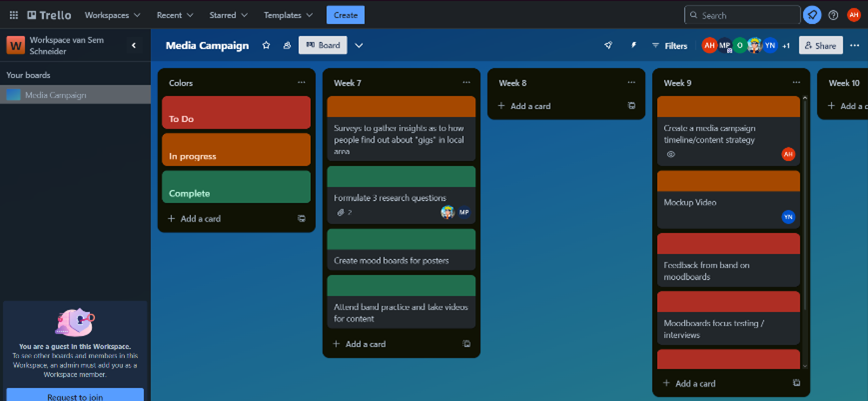
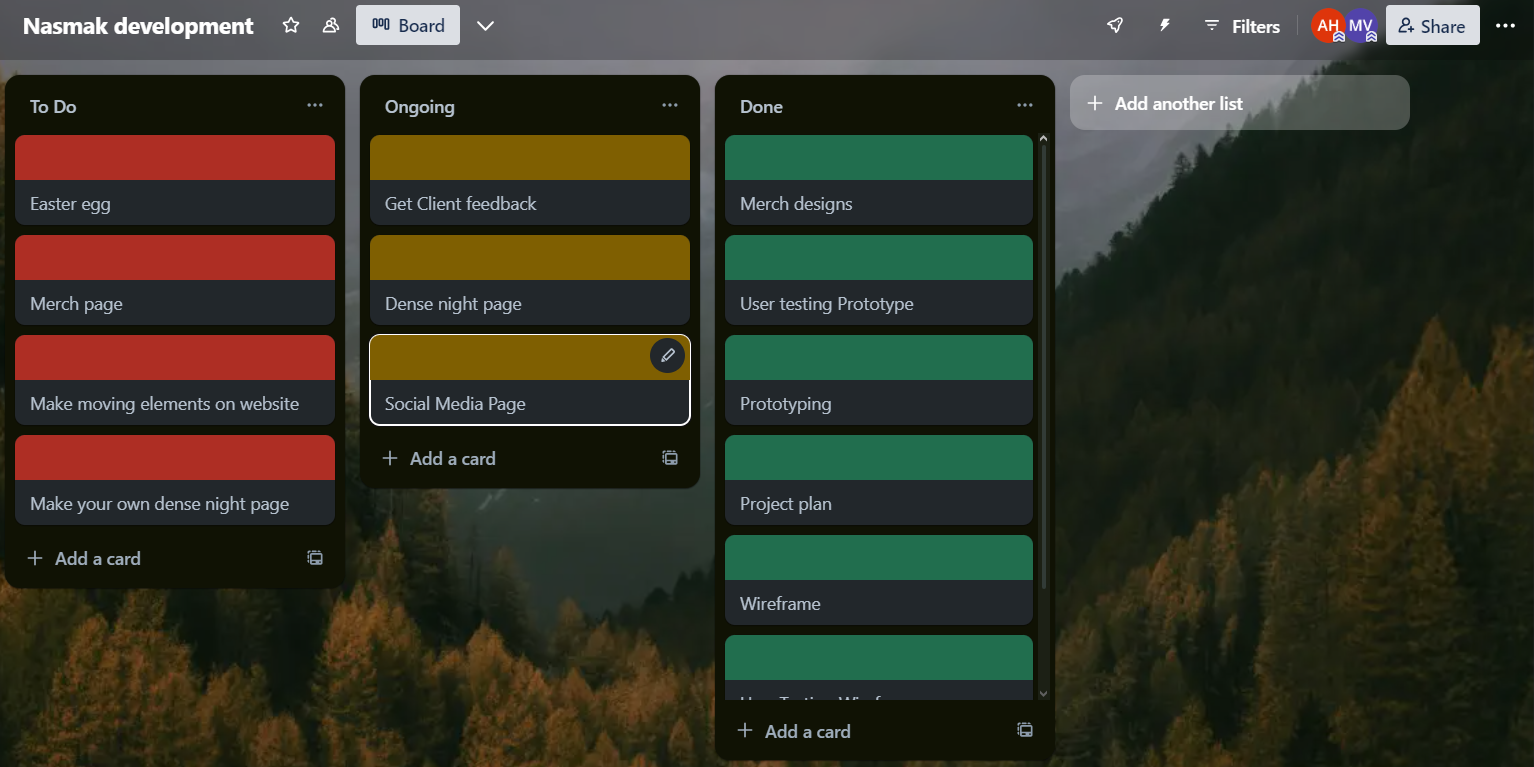
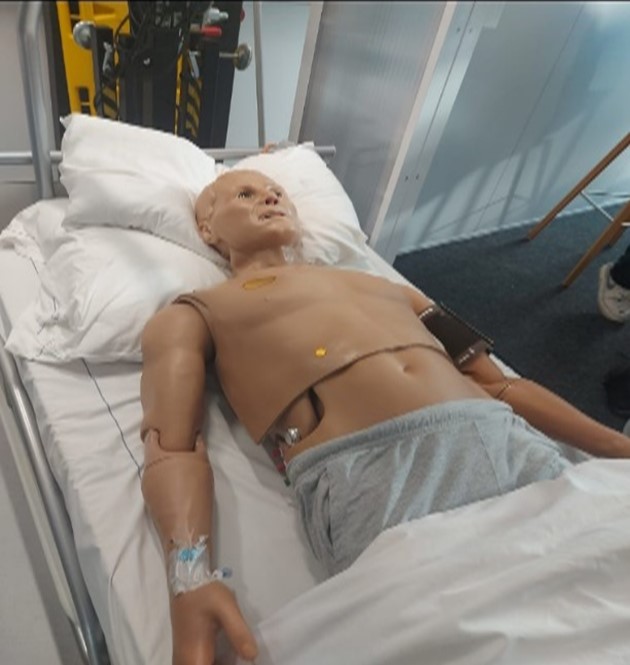
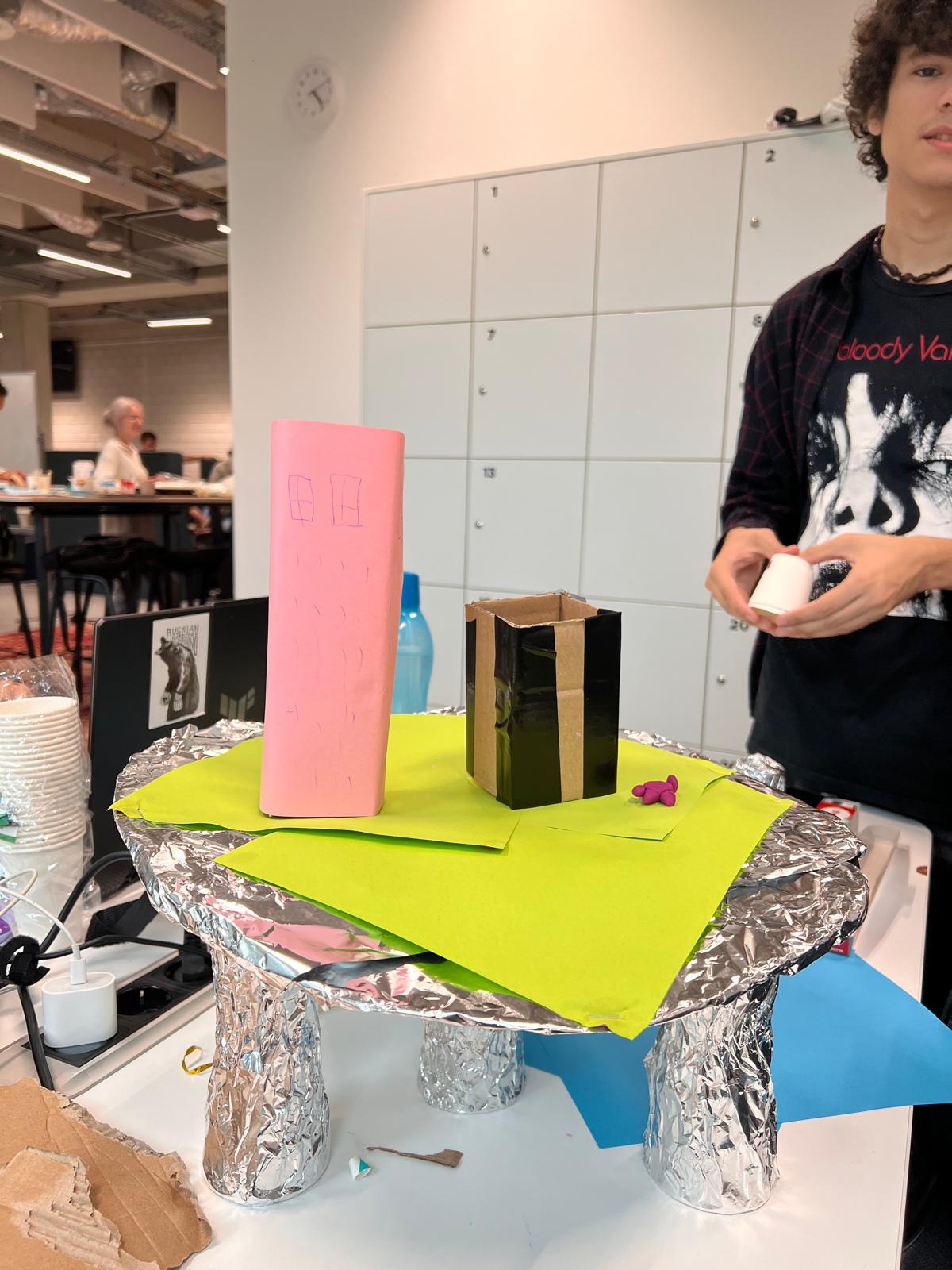
I used Trello to stay on top of my responsibilities, complete tasks on time, and communicate effectively with my teammates to keep the project running smoothly. Team activities such as filming for ads and building a floating city concept during the fast forward week have also been crucial to team chemistry. Presenting our work to the client has been one of the difficult challenges I’ve experienced this semester, but it was successful when the moment arrived. At the end of the two projects our team created a peer review on which we graded our teammates.
Reflection
Overall, I could have been more active in my communication of being late on time during the first two projects, problem which I've worked on for the next development project. Even though the peer review I received of my colleague was good overall, my goal was to get the maximum points for reliability and initiative. Failing to communicate every time I was late played a big part in this, therefore I started improving my communication skills for my next project team. I created a project plan and made the Trello board needed to assign our tasks to work on our development project. Presenting to the client pushed me out of my comfort zone, as I was initially nervous about public speaking. But, successfully presenting my part during the final meeting and receiving positive feedback from the client showed me social challenges are mostly self-induced. It showed me how preparation and active participation can lead to professional growth.
L.O.4
Second Example
Goal:
Conducting thorough research on Nasmkap PM for the Media Campaign Project to prove the exploratory research outcome
Why: What insights from exploratory research on Nasmak PM's history, genre, and audience preferences are most critical to shaping an effective media campaign for their "Dense Night" performance theme?
How: Cmd Methods: Literature Study, Survey
Qualitative: Literature Study CMD method: I found contextual information, guidance and best practices about band growth, social media growth for upcoming bands, and backup to the ideas I had for their development. I went on to use this research and create a media campaign timeline for the client.
Quantitative: Survey: Collect, mostly quantitative, information from a large sample of the target group, being comprised of young students which listen to experimental music.
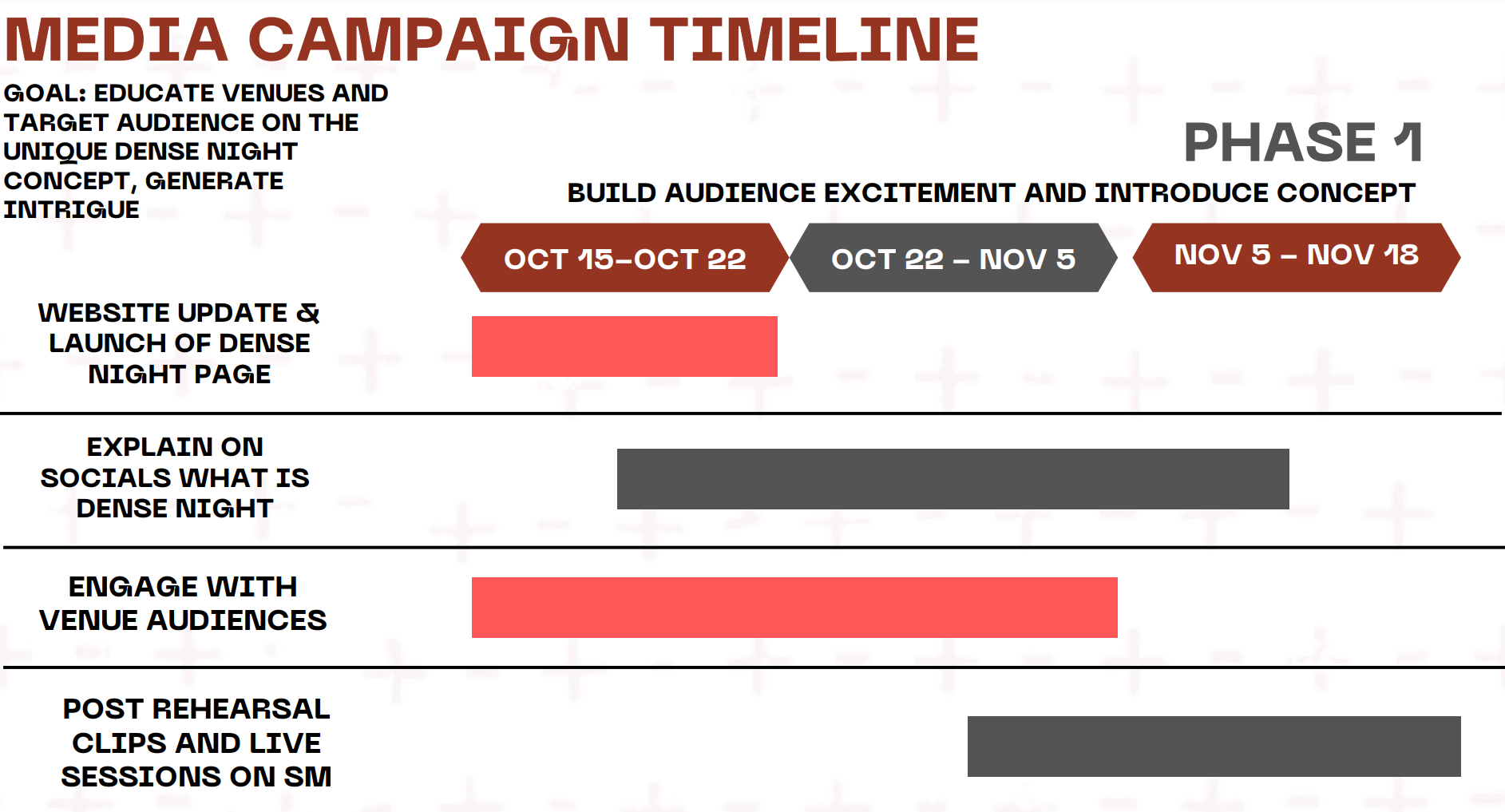
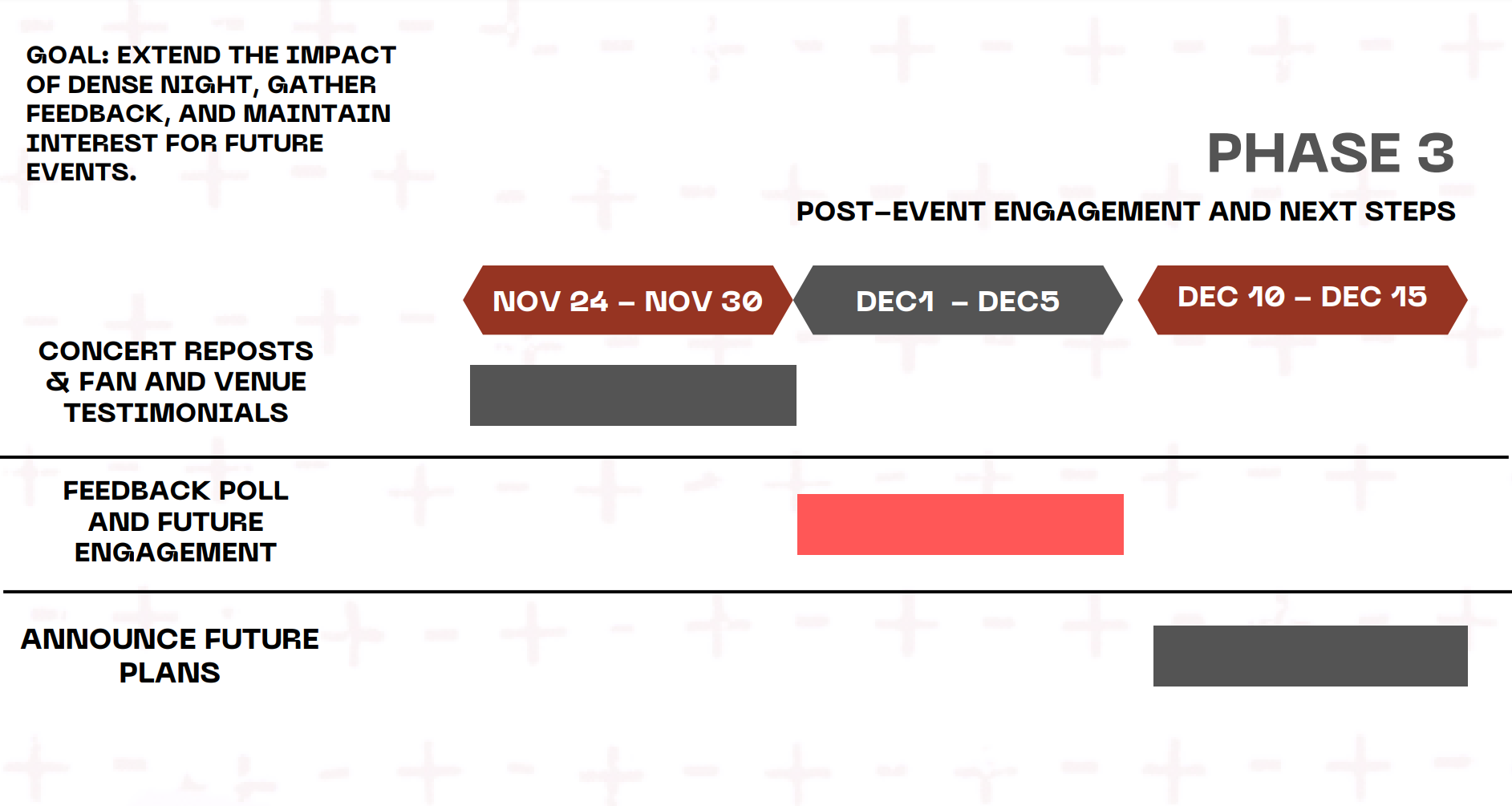
In the first week, I put together the first version of a media campaign timeline for the client to use leading up to their big event. To create it, I researched how rising bands are using social media, looked up strategies to help a band grow their audience online, and listened to the band’s music to really understand their vibe.
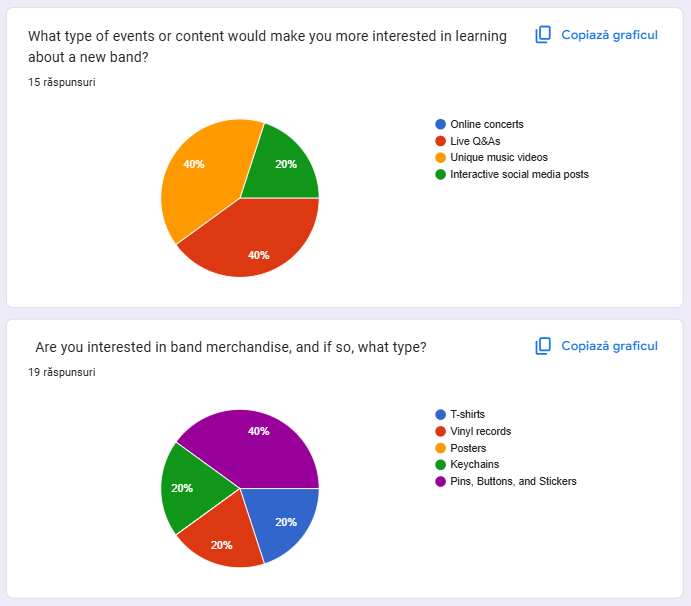
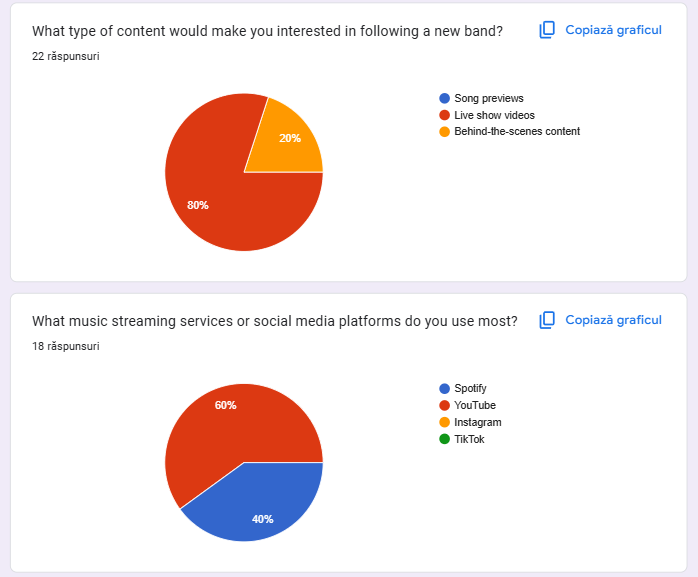
I also ran a survey to get feedback from their target audience about things like merch, how they see the band, how they discover new music, and what draws them to check out new bands.
I took the main discoveries and attached them into the media timeline, the survey showing that the target audience prefers smaller merch and live sessions were the main attraction on social media

Reflection
The browsing of the websites for information allowed me to gather more insights and new methods about getting social media attraction, which were key in creating this timeline. Before presenting the final product to the band I should have had a meetup with them consulting them about the timeline. Luckily, the client was very happy with the timeline I created and requested I send it immediately to put in practice, the format and layout of it also playing a big part in it’s approval. Next project I will try to have more stakeholder communication, as it’s essential in creating the best version for their product.
L.O.4
Third Example
Goal:
Goal: : Conducting thorough research on the restaurant’s app and users for the Project X, by using CMD Methods.
Why: What design improvements can be made to enhance the usability and functionality of the restaurant's app for both waitstaff and managers, based on insights from user research and task analysis?
How: CMD Methodology: Interview Questions, Persona, Task Analysis
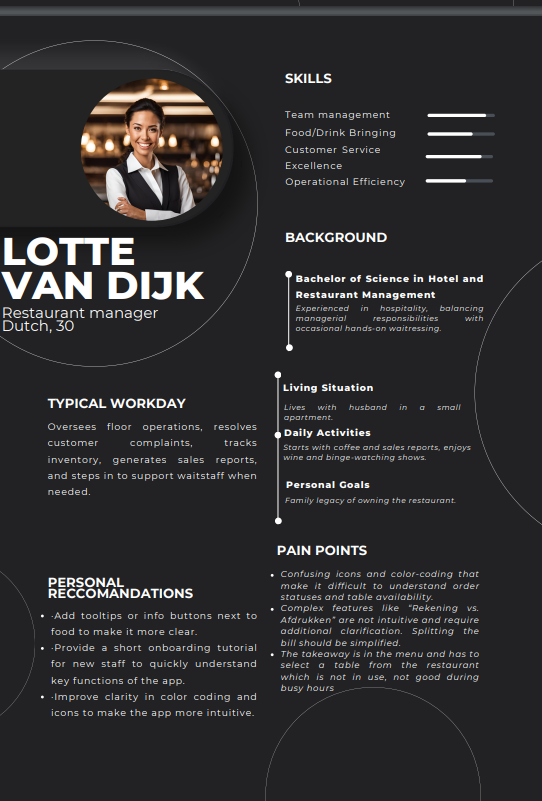
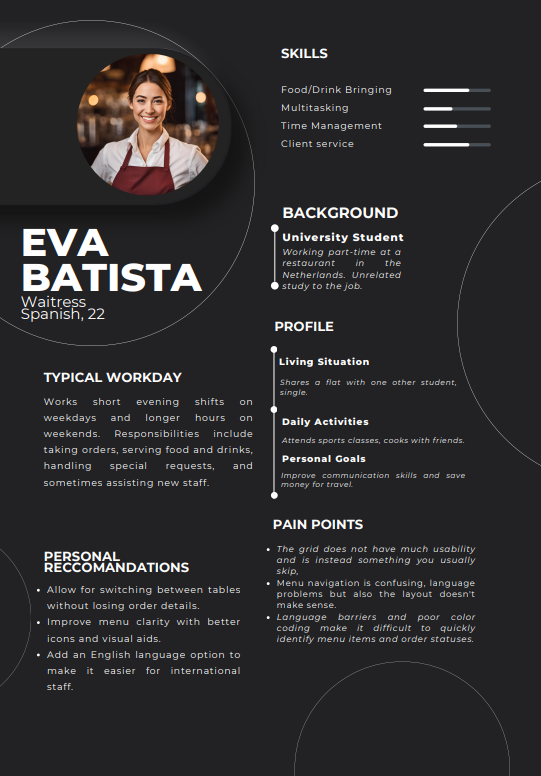
Qualitative: Interviews allowed me to understand users better by gathering their opinions, behaviours, goals, attitudes and experiences for creating the Persona and identify problems with the app. Both were physical interviews, from one I gathered key data for the persona creation, and the other for the design and problems with the existing app.
Qualitative: Based on research and insights from users, I created a segment of the user population and defined a persona as a representation. Used insights from observations and interviews to depict a persona based on their needs, goals, habits, social background, and pain points regarding the app’s current usability.
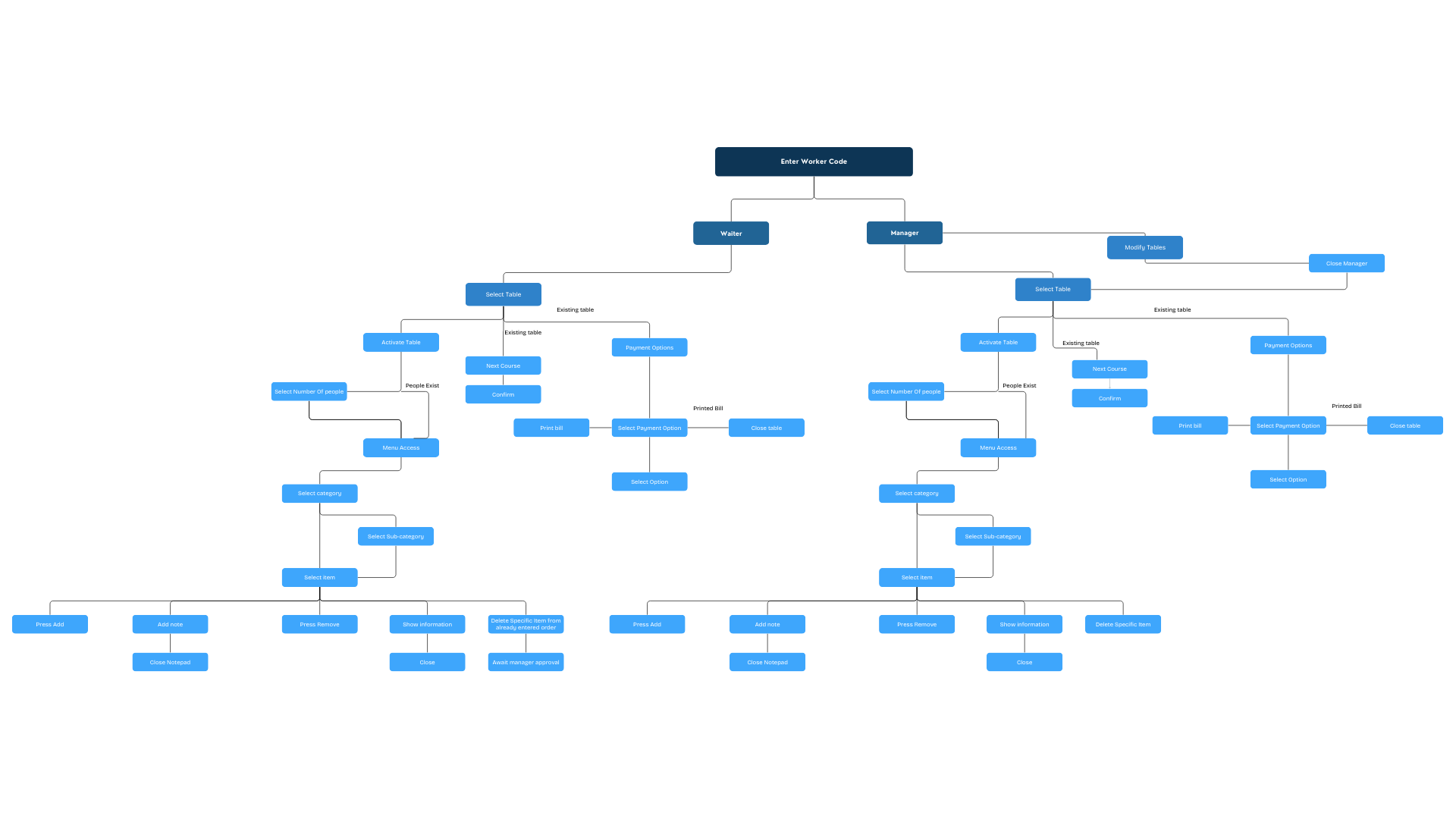
Quantitative/Qualitative: I created a flowchart as the task analysis for better understanding the vital tasks that need to be made functional for the prototype to work, as well as gaining insight on the number of tasks that need to be created.
Main points from the Interviews:
- Both groups face usability challenges, but waiters struggle with navigation and speed, while managers deal with functionality clarity.
- Improvements should focus on intuitive design, language accessibility, and visual clarity.
- Add tooltips or info buttons next to complex features to clarify their purpose.
- Provide a short onboarding tutorial for new staff to quickly understand key functions of the app.
- Improve clarity in color coding and icons to make the app more intuitive.
- Make tables draggable
- Improve payment design by simplifying it
- Add language options
Main points from the Form:
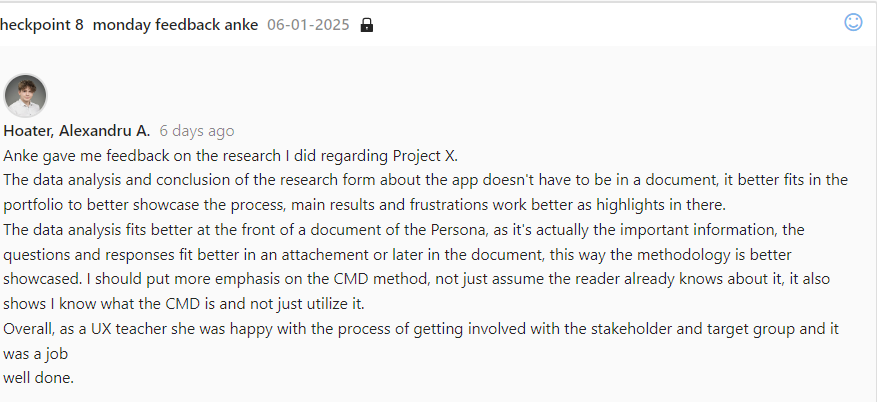
I showed to my UX teacher Anke the research I completed to have a better understanding of the user and the problems they face, she told me it was a great improvement and she was happy with the research, but I should structure it better so that it's more readable, adding key information and highlighting the most important parts in the portfolio, while leaving the full files as links.
So what?
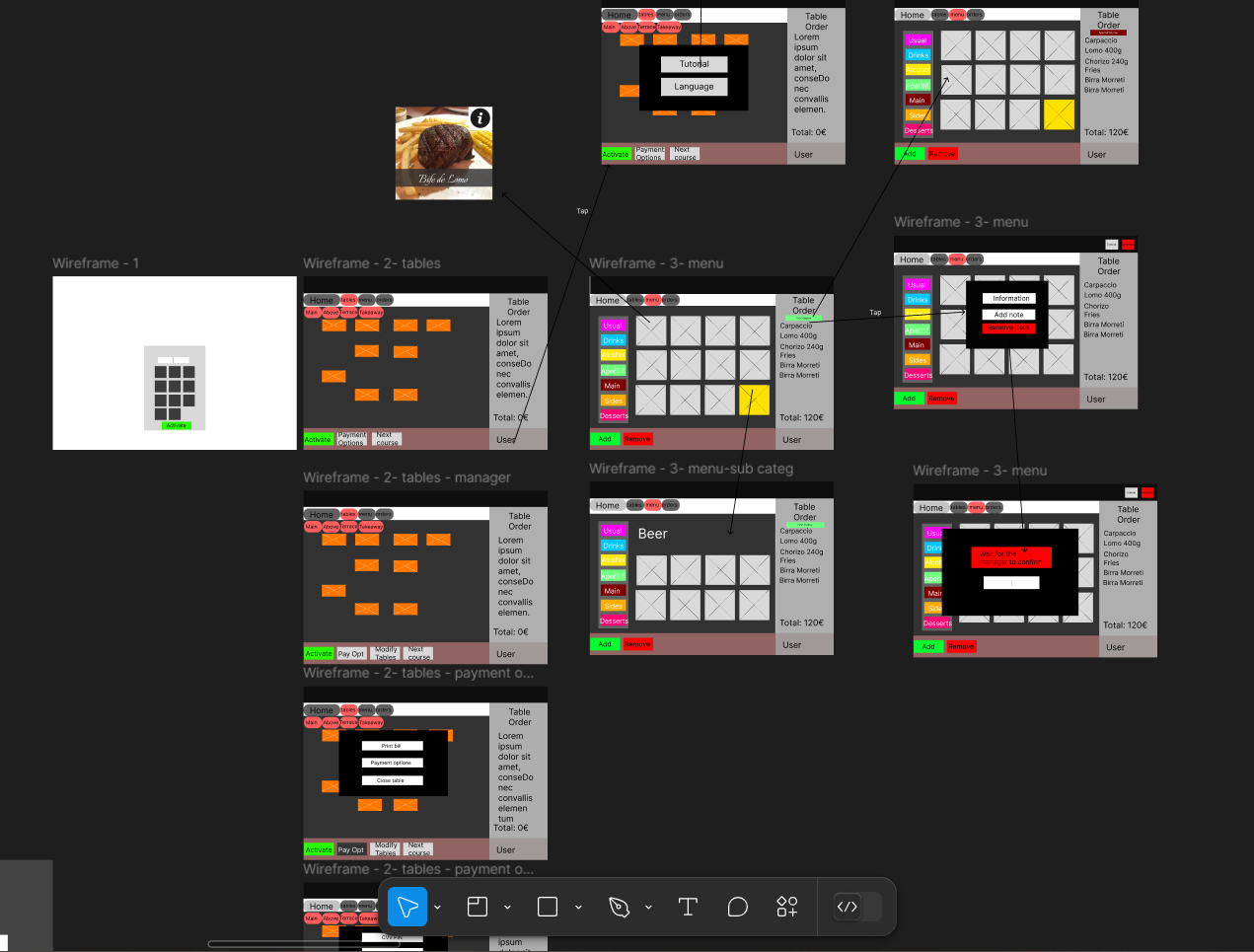
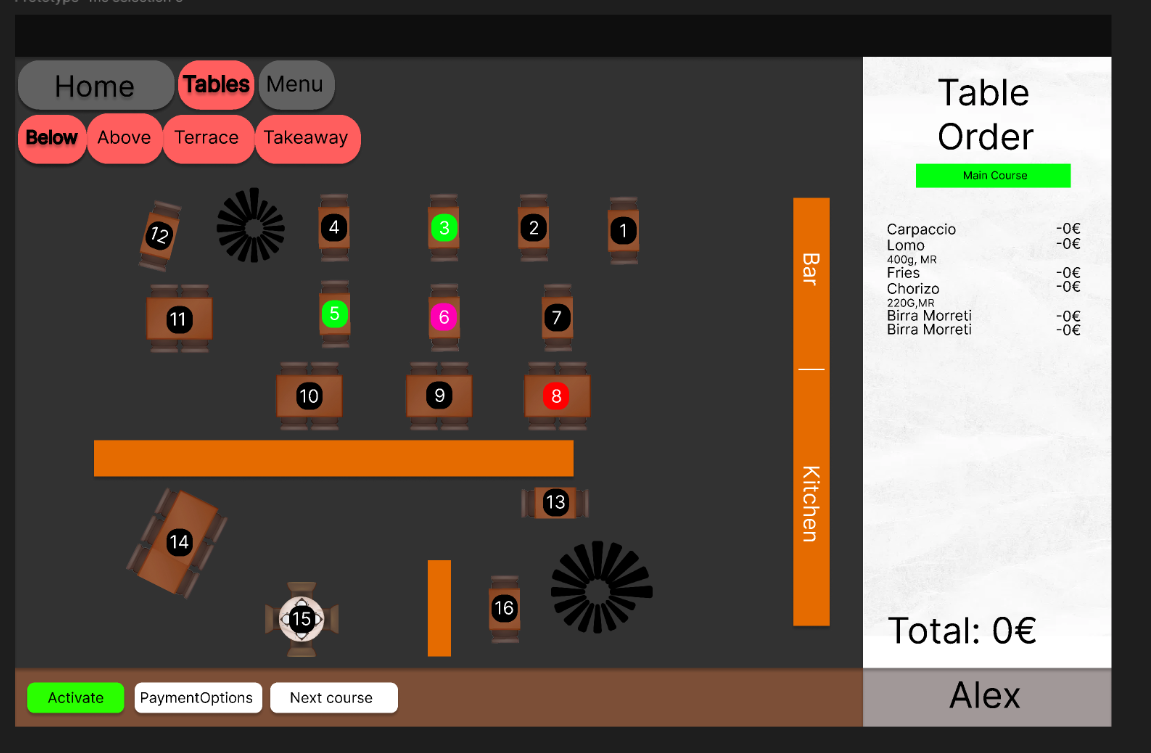
I moved on to the ideation phase of my project where I created a wireframe consisting of possible fixes to the pain points, such as simplifying the payment process, offering free table movement on the app, and adding a tutorial for new staff and complex features. After which I created the prototype, and received positive feedback from the client.
Reflection
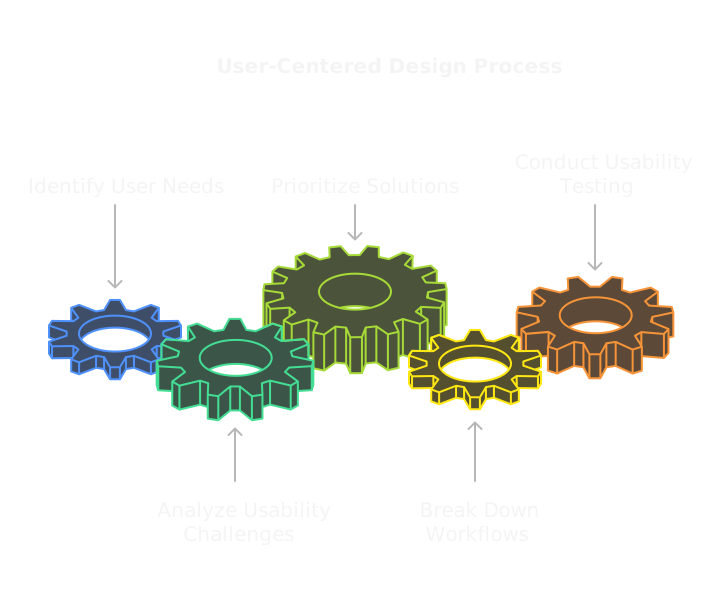
This project emphasized the value of understanding user needs through interviews, personas, and task analysis. I learned how usability challenges differ between user groups and how to prioritize solutions that address their pain points. Breaking down workflows helped me identify critical improvements, but I realized the importance of iterative testing to refine designs. Overall, this experience strengthened my skills in research and user-centered design.
L.O.4
FourthExample
Goal:
Make the portfolio website have a structure, as well as have all the data required to prove the learning outcomes.
Why: How can I structure the portfolio in a clear and methodical way?
How?CMD Method: Expert Feedback
Qualitative: By consistently asking for feedback about the structure of the overall portfolio, the teachers knew best as they can put me on track and give a sense of direction or point to common pitfalls. Qualitative: By consistently asking for feedback about the structure of the overall portfolio, the teachers knew best as they can put me on track and give a sense of direction or point to common pitfalls.

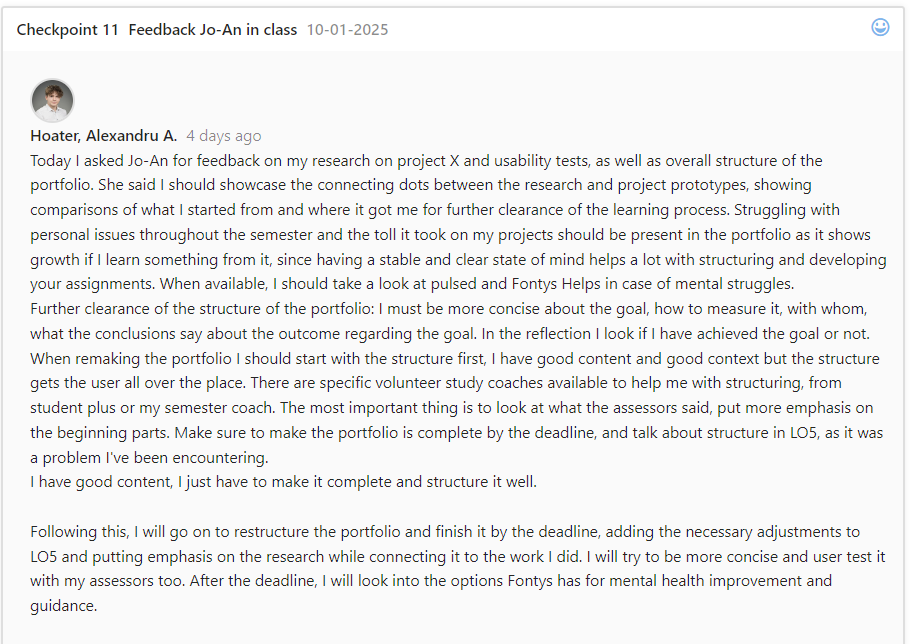
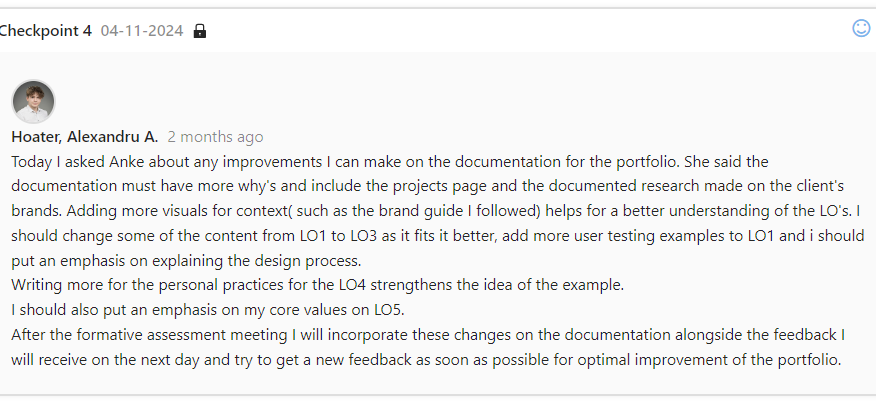
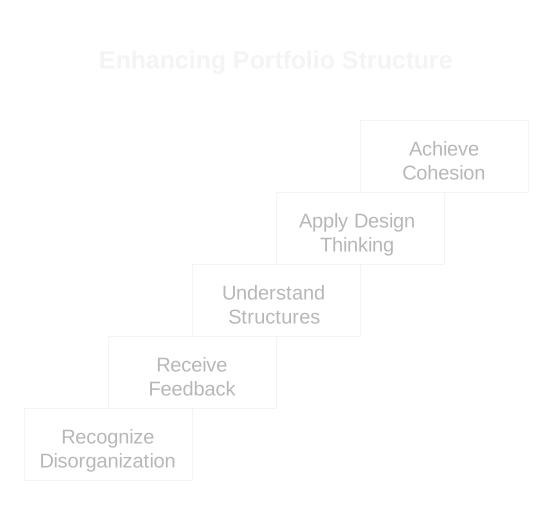
I restructured the layout of the portfolio, first by dividing the learning outcomes into a why/what/how/so what structure. My semester coach said it can also work if I put it in a logical way, however restructuring it into a Why/How/What, from our canvas presentations was a better approach recommended by the UX Teacher Jo Anne. She also recommended me to get feedback from my semester coach regarding the structure.
The project pages were more sorted into tasks than follow a story, and my semester coach advised I should use the design thinking process of empathize/define/ideate/prototype/test/asses to showcase the story and elements of the projects, as it was the base of the working process of most projects this semester. I also was also recommended to connect the dots between the comparisons in my portfolio.
After implementing the changes, I showed them to my semester coach and he said the structure was definitely improved, and he can see that I made big steps in proving the outcome compared to the first part of the semester, which, was slowed down by personal issues. After October, I decided to put myself back on track and realise my priorities. Jo-Anne recommended I visit pusled or “fontys helps” for more help on mental struggles.
Reflection
This task taught me the importance of creating a clear and intuitive structure for presenting my work. Initially, my portfolio lacked cohesiveness, and the information felt scattered. The feedback I received from both my semester coach and UX teacher helped me realize that organizing content methodically using structures like Why/What/How or the design thinking process can significantly enhance the flow and narrative of the portfolio. What I would have done differently is not work as chaotic and focus more on what’s important. Fontys giving options for self help is definitely something useful and will probably come in handy in the near future.