L.O.3
First Example
Goal:
Create multiple iterations of Figma prototypes to create better prototypes and POC’s.
Why: How do multiple iterations of prototypes contribute to the improvement of design concepts and ensure alignment with client expectations in the development of a portfolio and product?
How: CMD Methodology: Prototyping, Expert Feedback
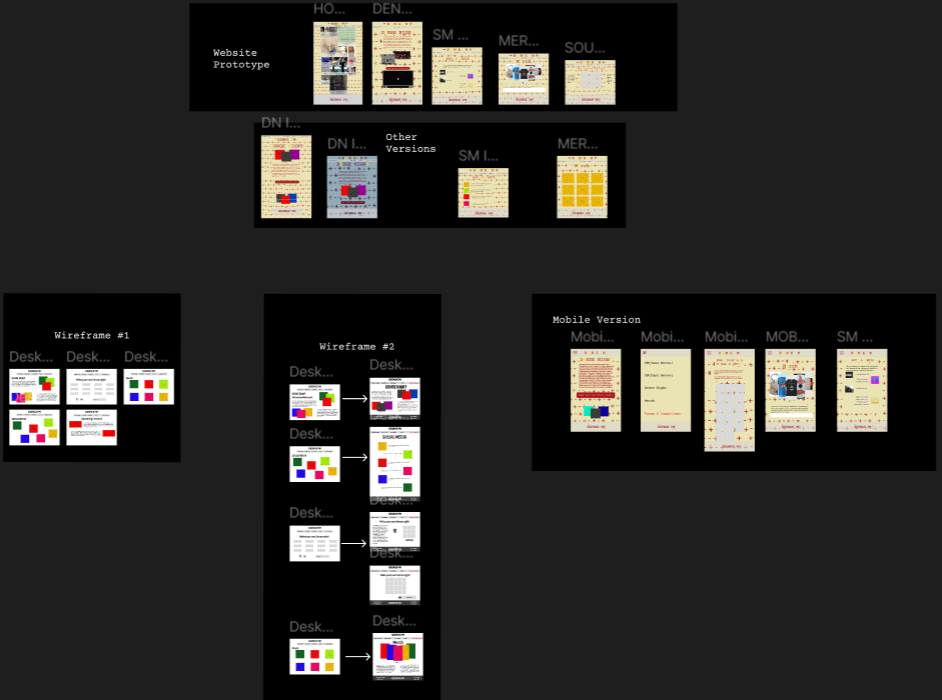
Qualitative: After creating the wireframe for my portfolio prototype and receiving positive feedback, my semester coach recommended creating more iterations. It’s better to present to a client more choices, for example one bad, one I prefer and one close to the client’s wishes. The iterations allow for continuous improvement and ensure I have backup options in case the original idea doesn’t work out.
Quantitative: I followed this advice and began developing multiple iterations of my portfolio design prototype, as well as the development.
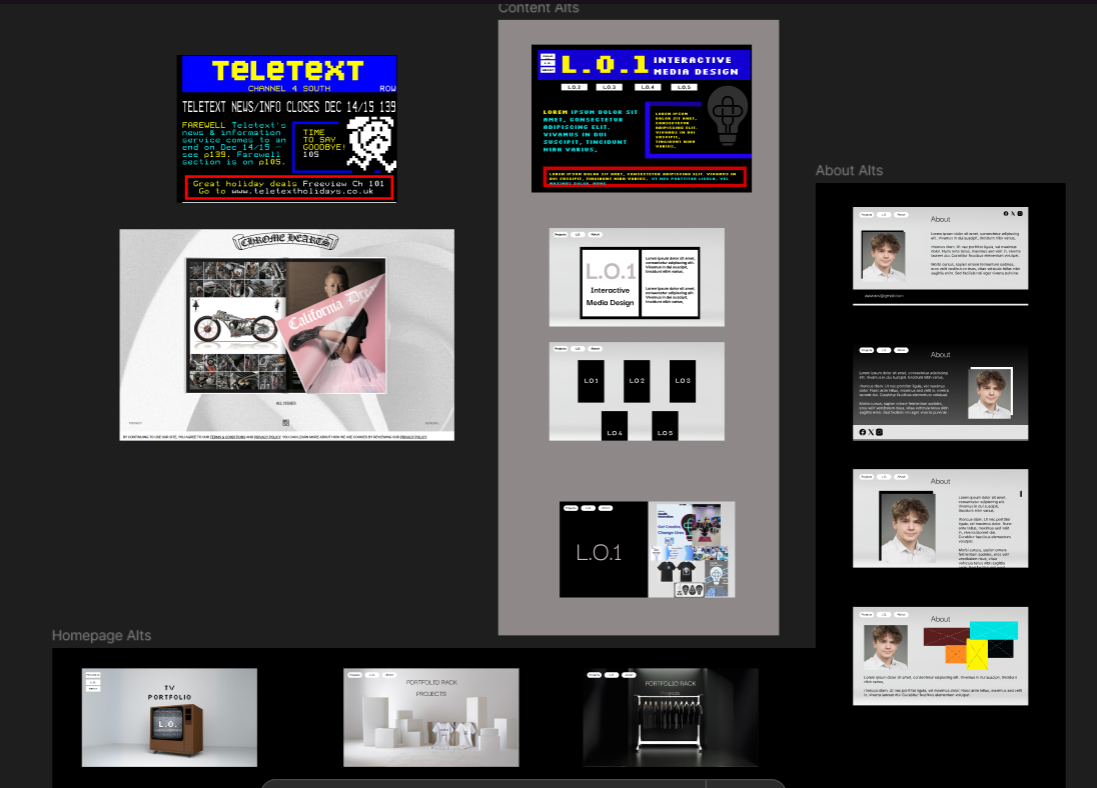
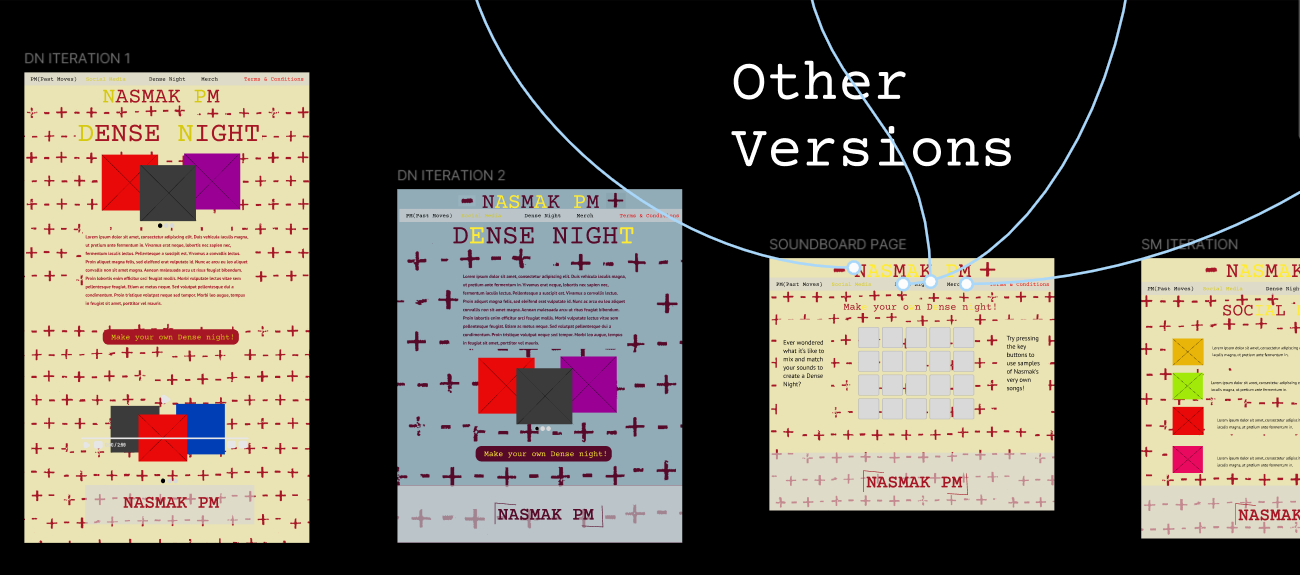
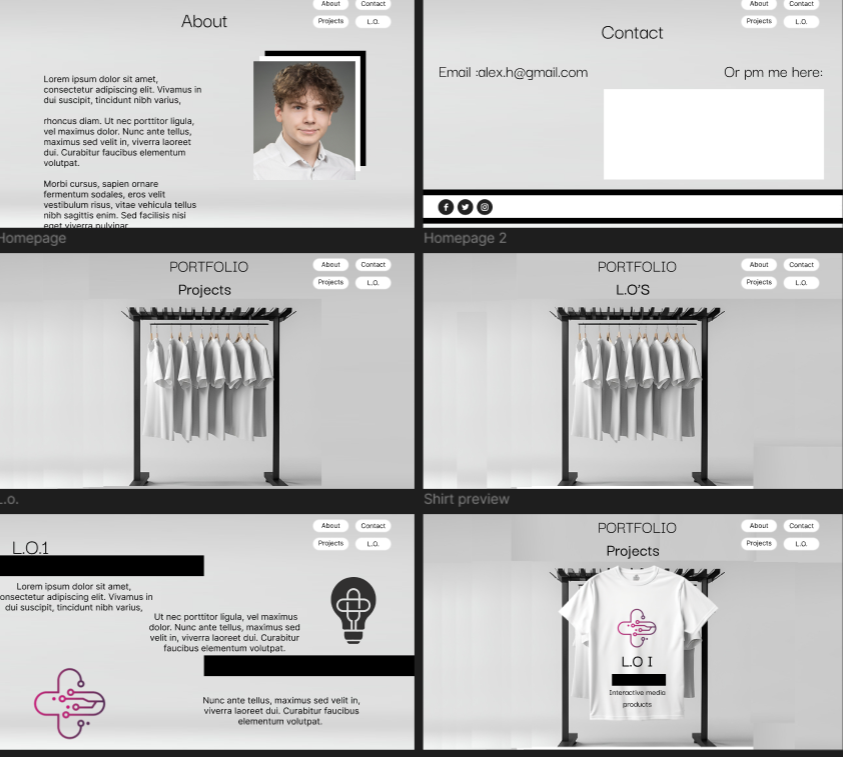
I started by creating iterations of my portfolio design and asked my teachers for feedback regarding its aspect and vision, after which I coud guide myself in a direction that is both feasible but complex enough.
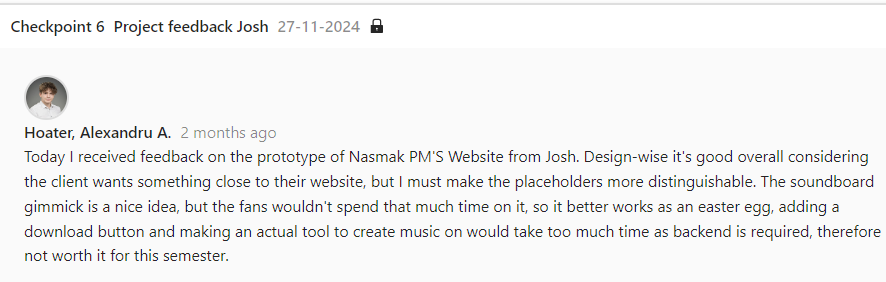
In addition to the portfolio iterations, I also worked on iterations for the Dense Night project and asked teachers about what direction I should go in. Even though the feedback was delayed, the client’s wishes aligned with the website, as it was heavily inspired by the one they are using, as well as having a fun gimmick fit to their style.
So what?
I gained feedback from my teachers regarding both prototypes, which can be seen in LO1, and both initial iterations followed through, with only changes to be tweaked to the designs such as making elements more visible and improve user experience through color coding.
I focused on keeping the designs as true to the client’s vision as possible while adding my creative input. These iterations were then sent to the client for feedback, from which he selected the one that was not only worked on the most, but also the one closest to the website design they currrently have.
Reflection
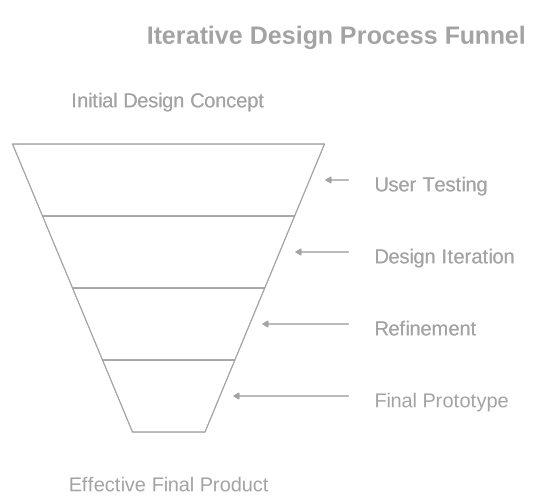
Creating multiple iterations helped me learn the importance of flexibility and responsiveness to feedback in the design process. It enhanced the importance of iterations and how they can affect the final product, but also to help as guidance in creating the final versions of the prototypes. I proceeded to apply this advice into the creation of my development project prototype, and project X.
L.O.3
Second Example
Goal:
Creating visually appealing media products for our branding project.
Why: What is the impact my design can have on the feasibility of the branding project.
How: Cmd Methods: Proof of Concepts, Expert Feedback
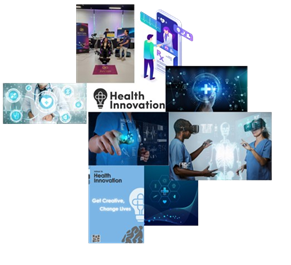
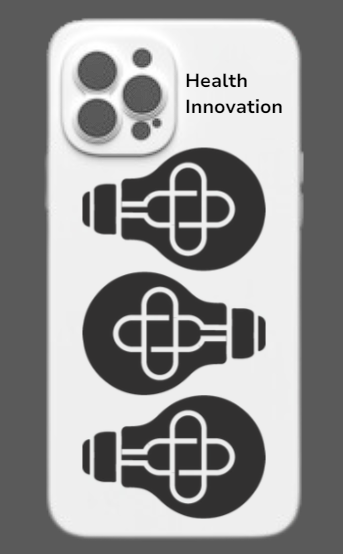
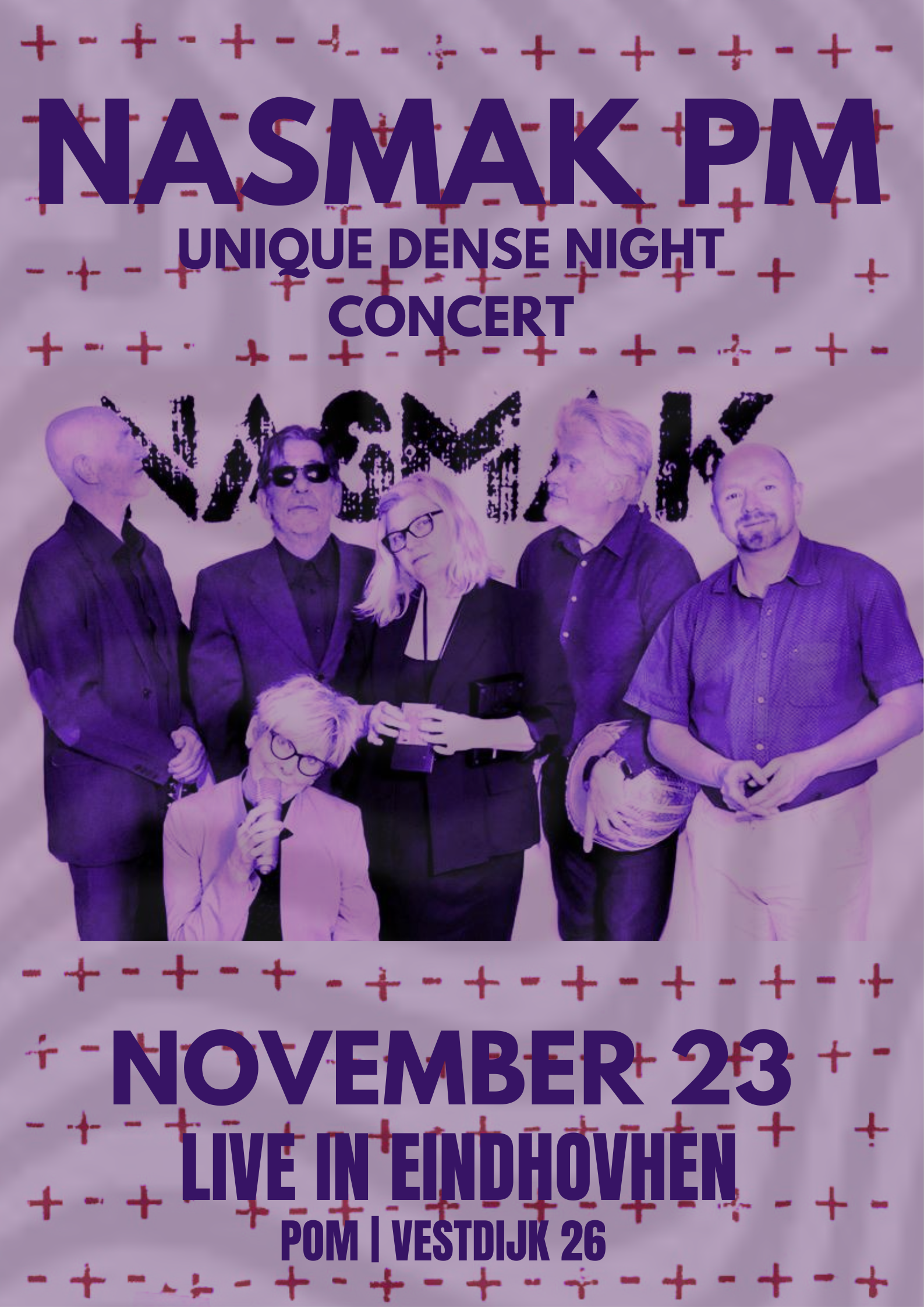
Quantitative: Demonstrate the desirability and the feasibility of our team’s project. To achieve this, I used Canva and Adobe Illustrator to create various branding materials such as a stylescape, posters, merchandise, and a moodboard following the brand guide our team created, which was approved by the client during the first presentation.
Qualitative: I gained more knowledge and perspectives regarding the POC’s design.

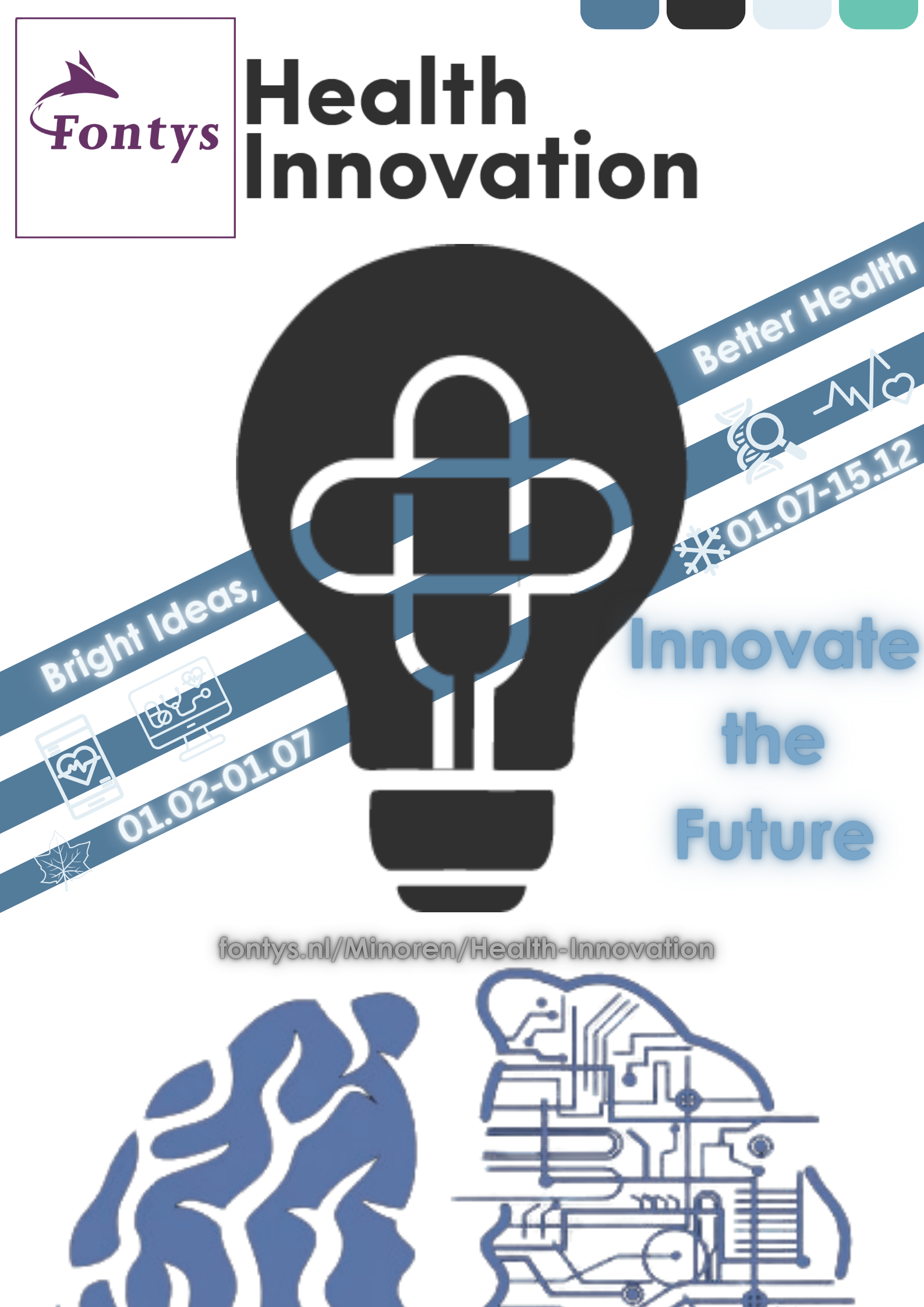
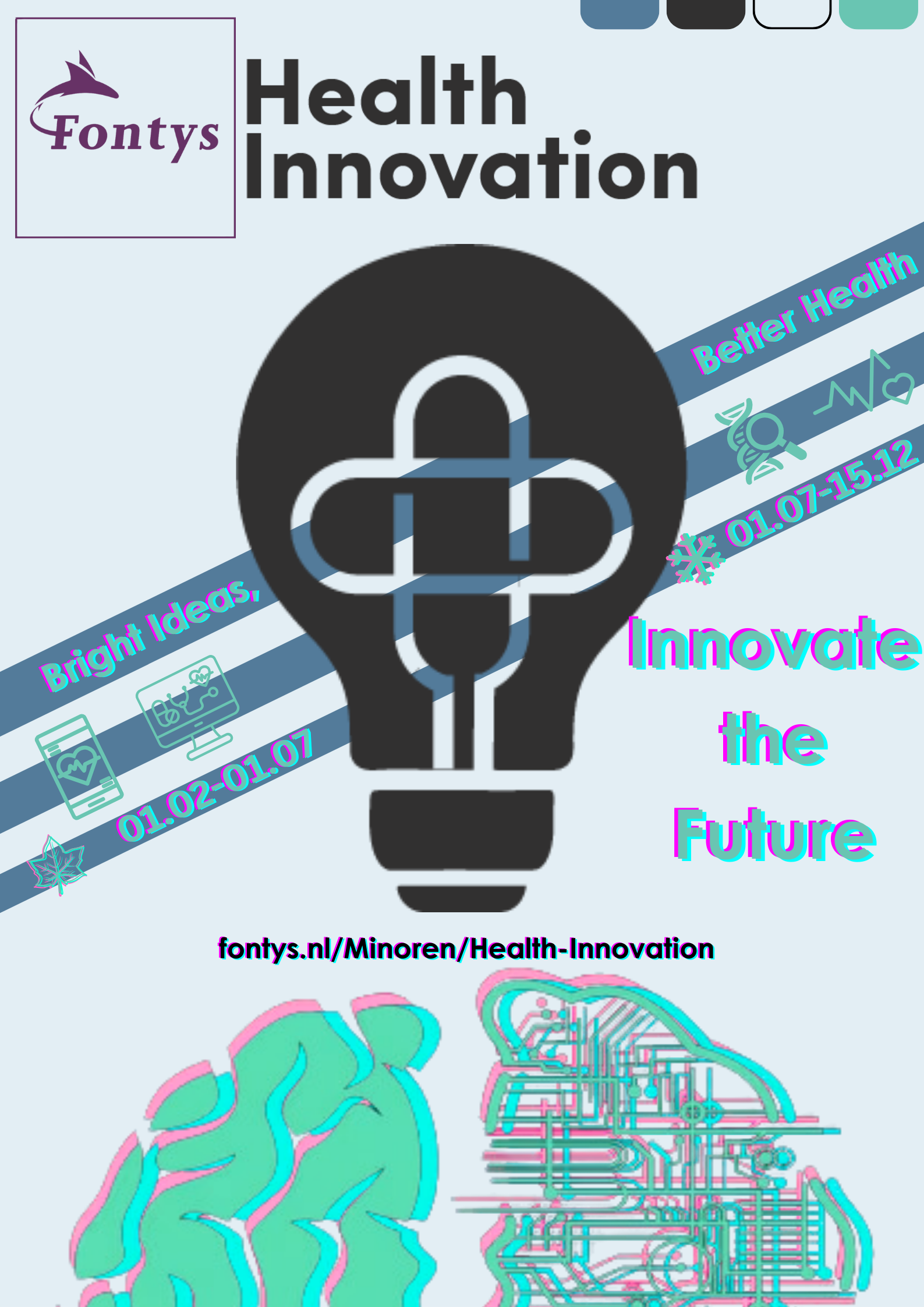
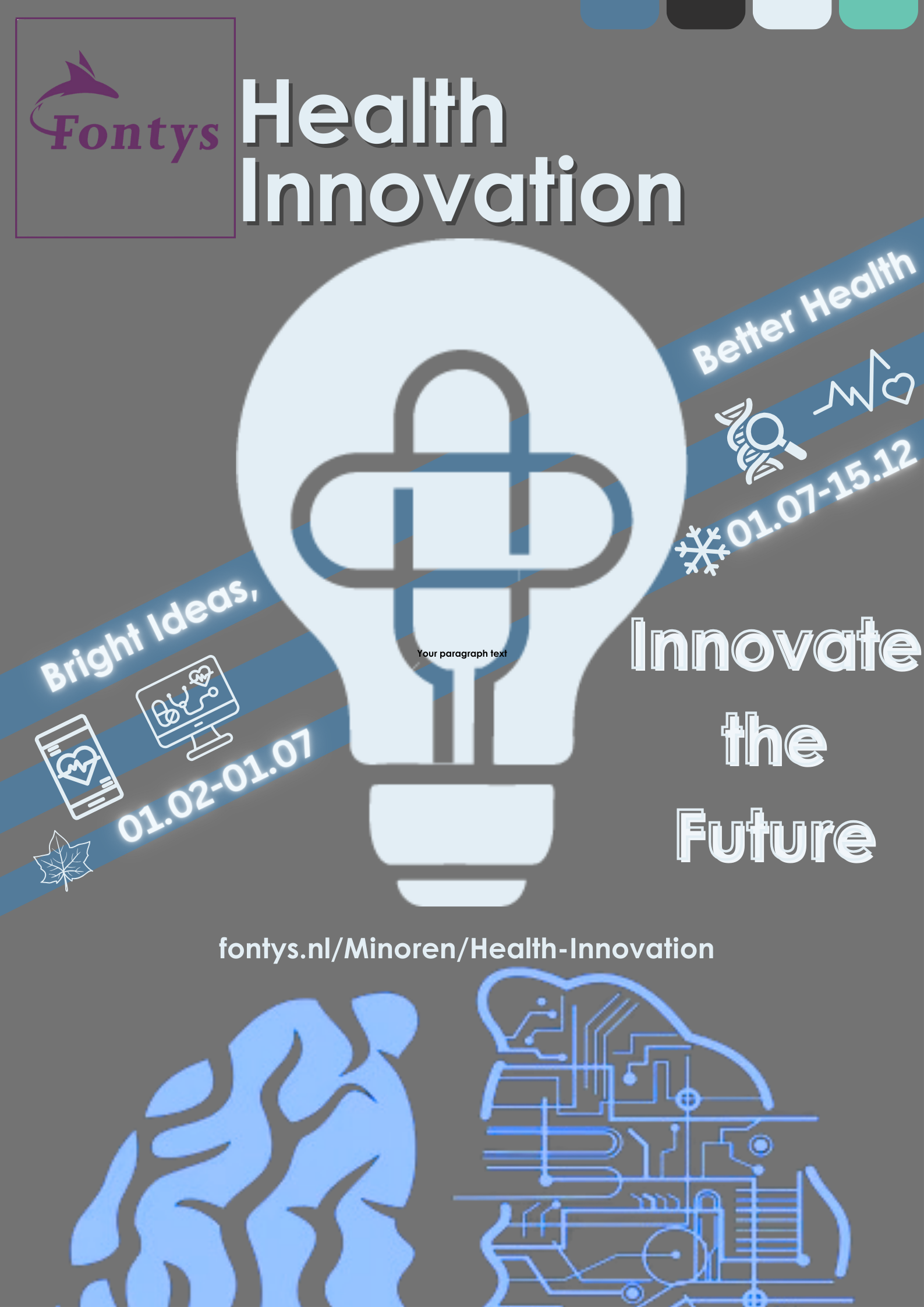

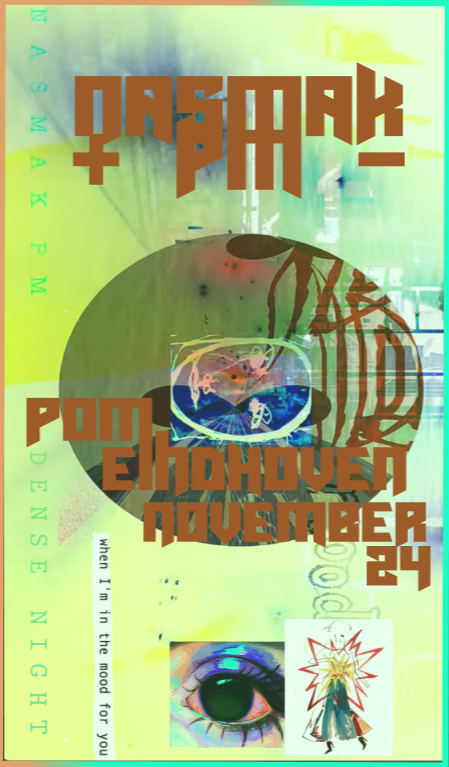
I began by designing a poster in three different color schemes to experiment with ways to communicate the brand’s message visually and show it for feedback. During the process, I focused on maintaining consistency across the materials while exploring creative ways to make the designs stand out.
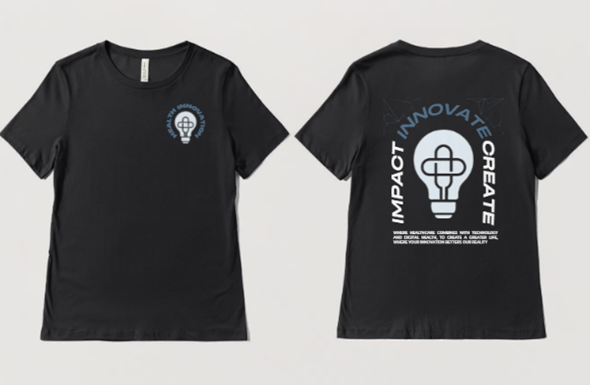
Using Canva and Adobe Illustrator, I created a variety of branding materials, including a stylescape, logos, merchandise designs, and a moodboard, all guided by the team’s approved brand guide.
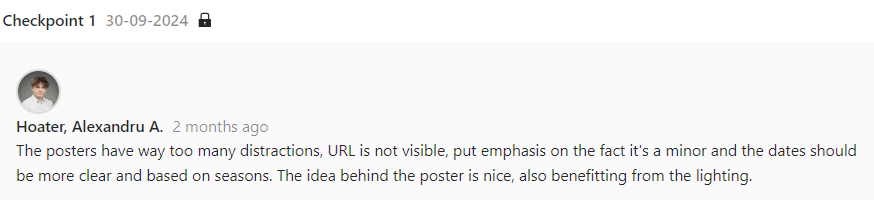
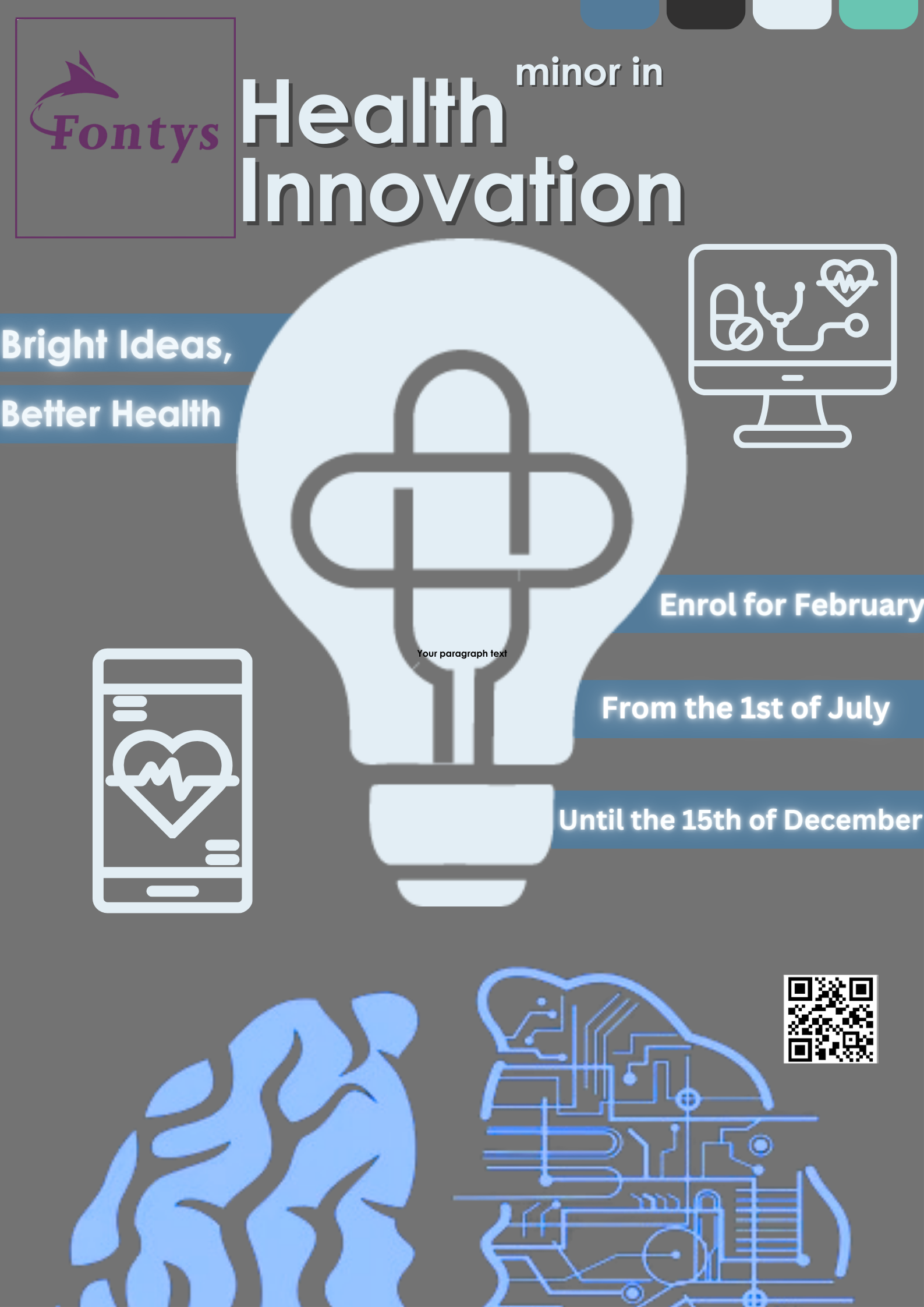
- The other materials besides the poster were alright with the client in the final presentation
- The poster being crowded doesn’t help transmit the message
- The interactivity isn’t clear
- The idea is good, but it could be better aligned
.png)
So what?
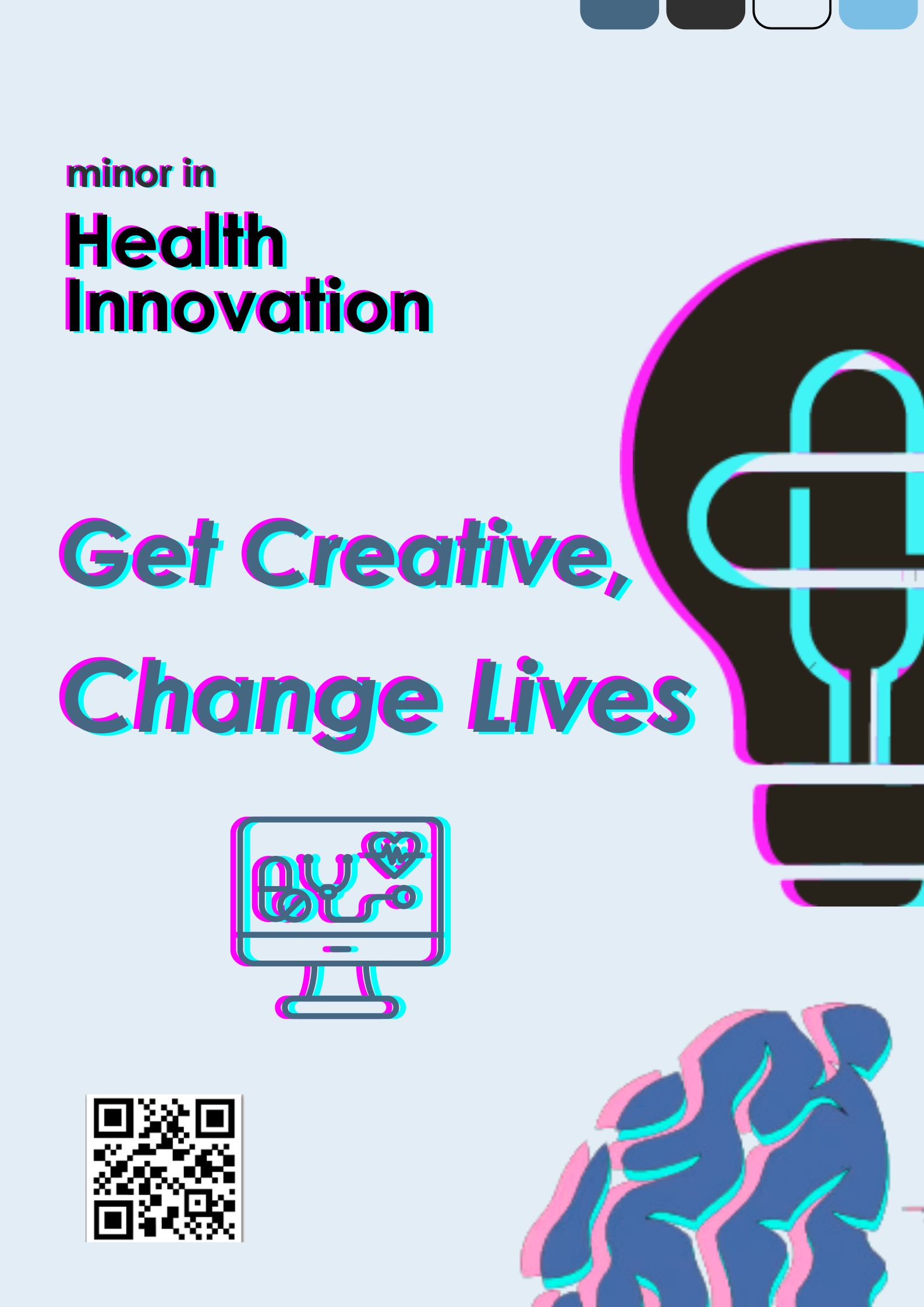
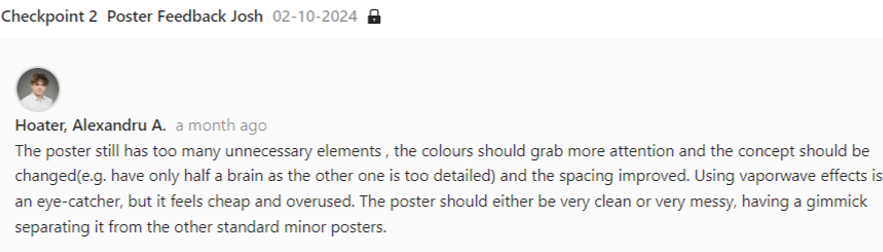
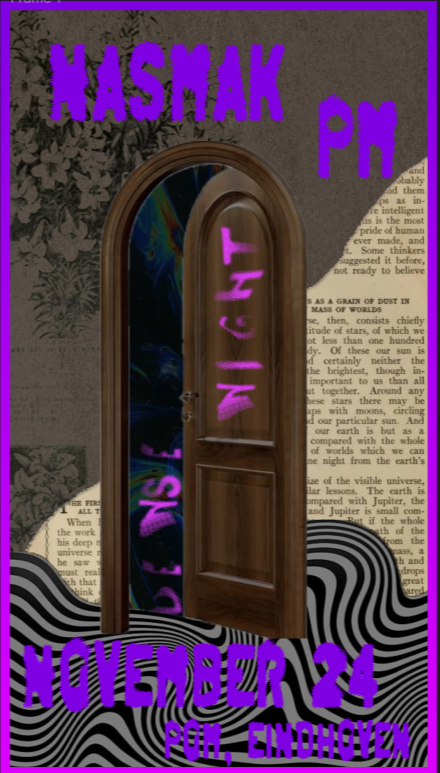
After the first feedback I decided to keep the theme but make make it a bit less crowded as the message isn’t clear enough, add a static effect to a poster, and have a clearer date. After my semester coach recommended me to get feedback from the domains of the teachers, my second feedback was with josh, our design teacher. From his feedback I finalised the poster keeping the static effect and emphasizing the message of the brand, and aligned the elements better.
Reflection
These projects helped me strengthen my design skills and become more comfortable using tools like Canva and Adobe Illustrator. The poster creation taught me how to create attractive designs and make improvements based on feedback. However, the client’s feedback wasn’t my priority, therefore the designs weren’t sure to be alright until after the presentation when he was overall satisfied. I should be more in contact with the client in the future and have better communication. Also, creating iterations just by differentiating colors is not such a huge difference, therefore I should make more obvious redesign changes between my iterations.
L.O.3
Third Example
Goal:
Goal: Creating multiple POC’s for the Nasmak PM Media Campaign Project.
Why: In what ways can iterative design processes improve alignment with client expectations and brand identity in a media campaign?
How: CMD Methodology: Proof of Concepts, Expert Feedback
Quantitative:Demonstrate the desirability and the feasibility of our team’s project. I used Canva and Adobe Illustrator to create various branding materials such as moodboards, posters, merchandise, and a custom campaign timeline, following the research our team did,
Qualitative: Gained further vision after feedback from the presentation, and implemented it into the design of the next POCs.
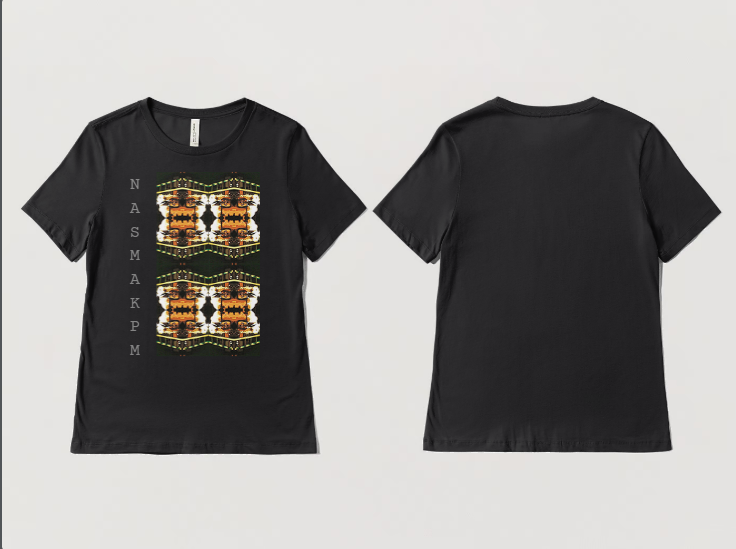
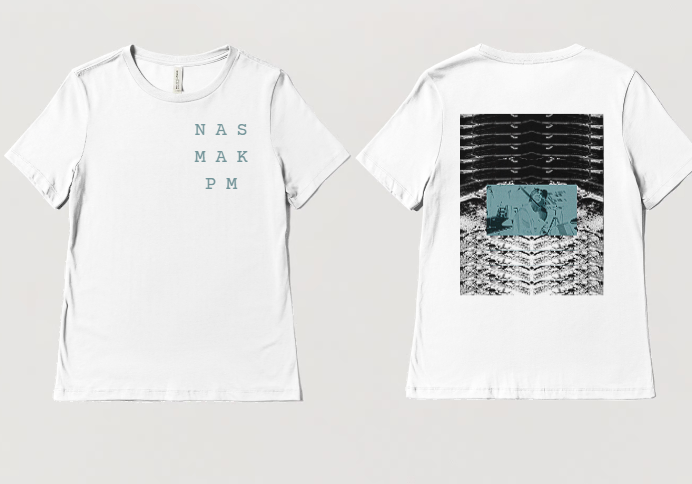
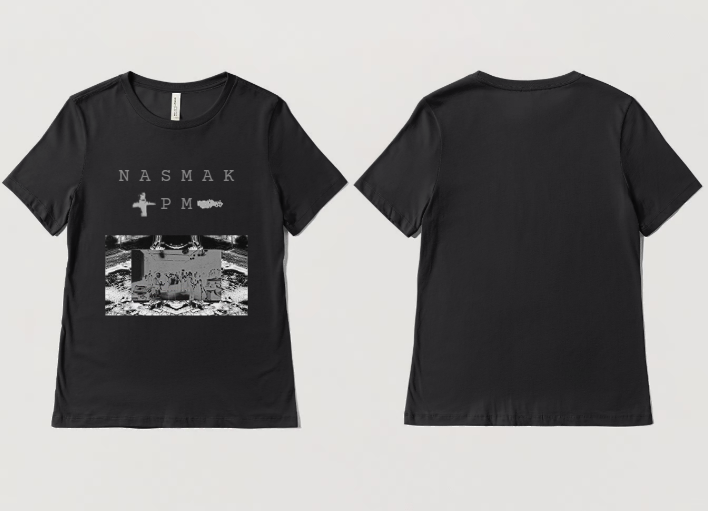
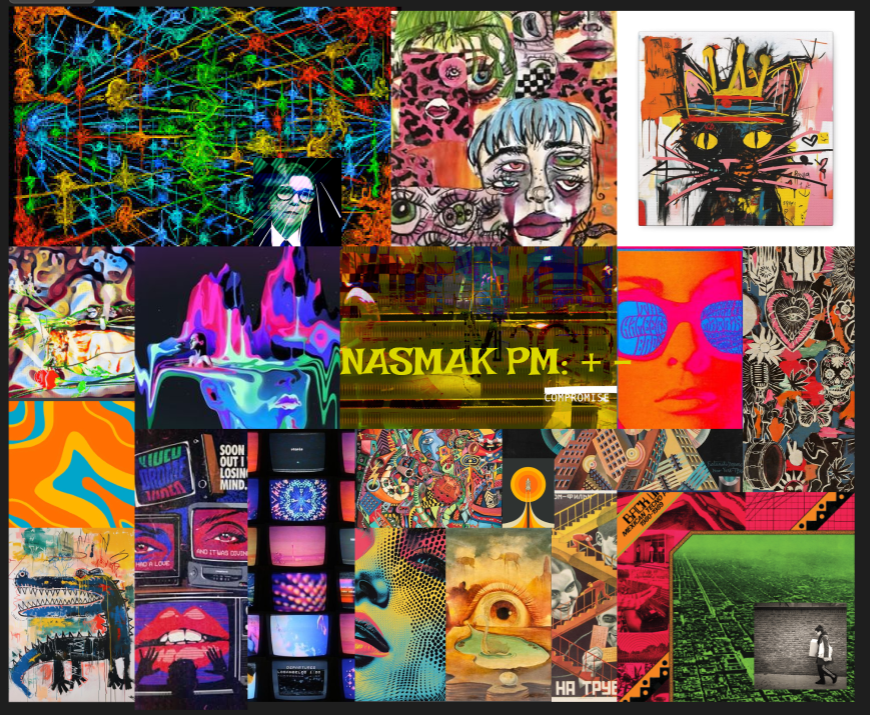
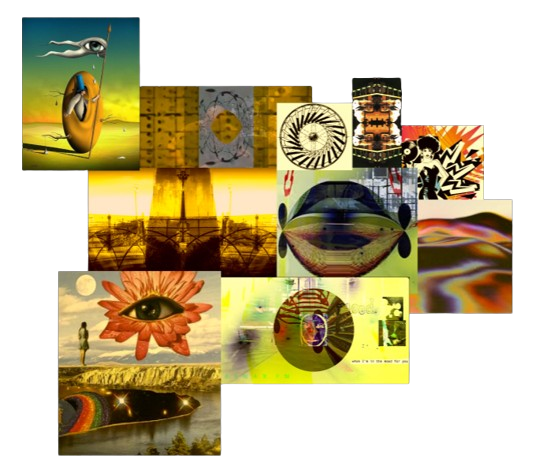
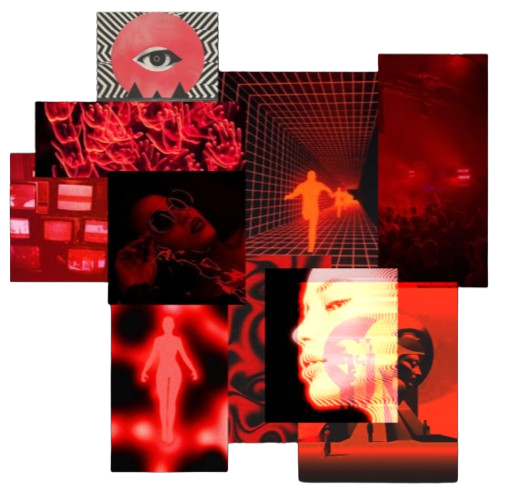
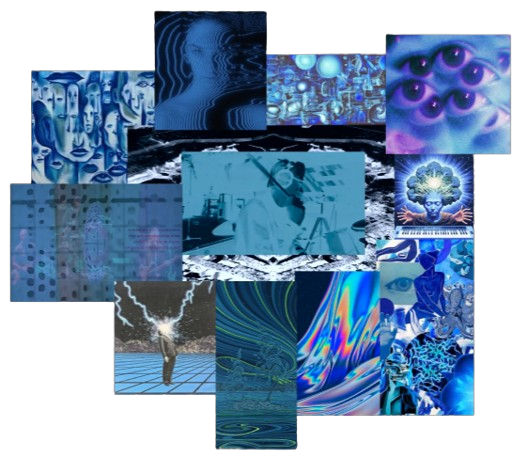
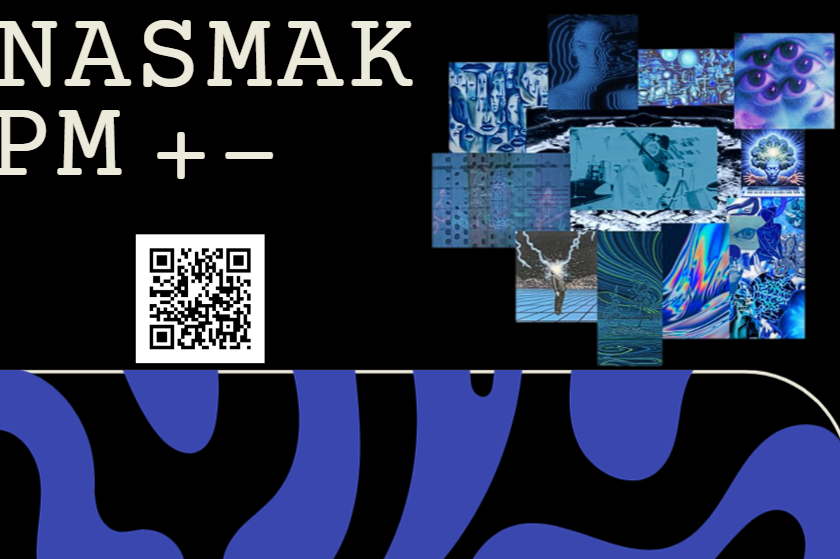
Every member did a iteration of the moodboard to see the direction the client wants to go with, followed by a poster. We had some trouble with finding the vision of the band, each of us having done research separately and creating moodboards according to what we saw fit.
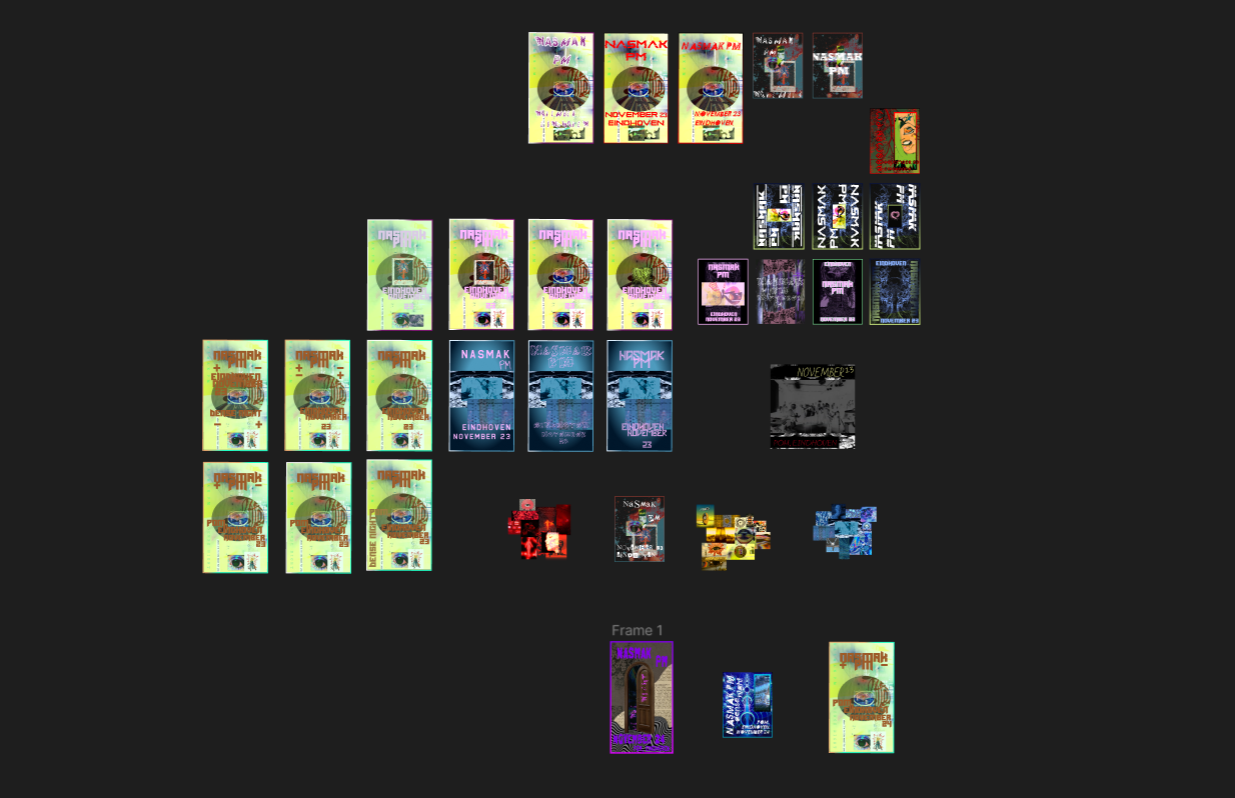
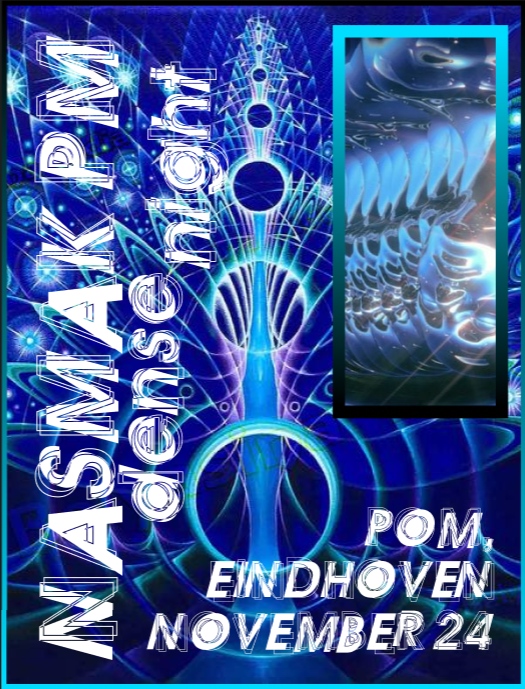
From our team’s iterations our client said he likes the surrealism / weird style, therefore we should go with it, as they are not a punk band even though we had some moodboards with that theme. They liked the posters, but after they told us the theme they like we realised they didn’t really align with it, therefore we should create more iterations.
So what?
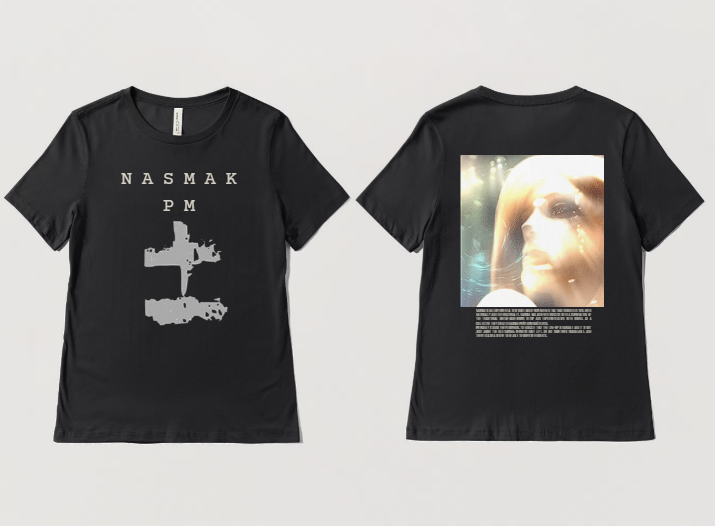
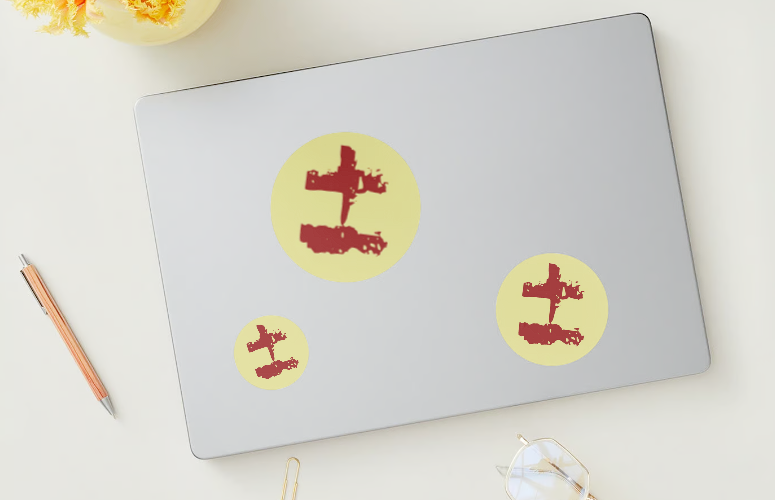
I went on to create more iterations of the posters, coming up with three more designs as well as merch such as shirts and stickers, which we showed in the second presentation and the client was pleased with the outcome.
Reflection
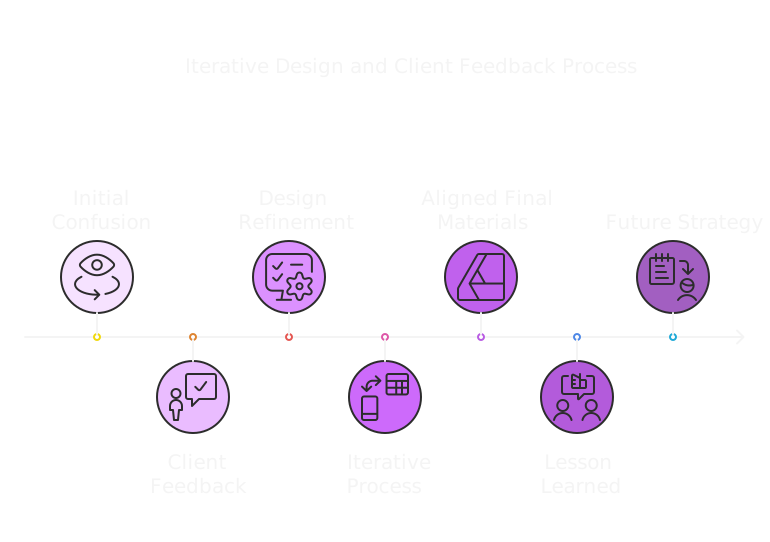
Throughout the Nasmak PM Media Campaign project, I learned the value of iterative design and client feedback. Initially, there was some confusion around the brand’s visual direction, but the client’s feedback helped refine our approach towards a surrealist style. The iterative process allowed us to experiment with multiple designs, ensuring the final materials were better aligned with the client’s preferences. This experience taught me the importance of clear communication and regular feedback to avoid misalignment. Moving forward, I’d ensure more frequent check-ins with clients to keep the project on track from the start.